Article
Silk-Look Pillowcases and Hair: What to Know
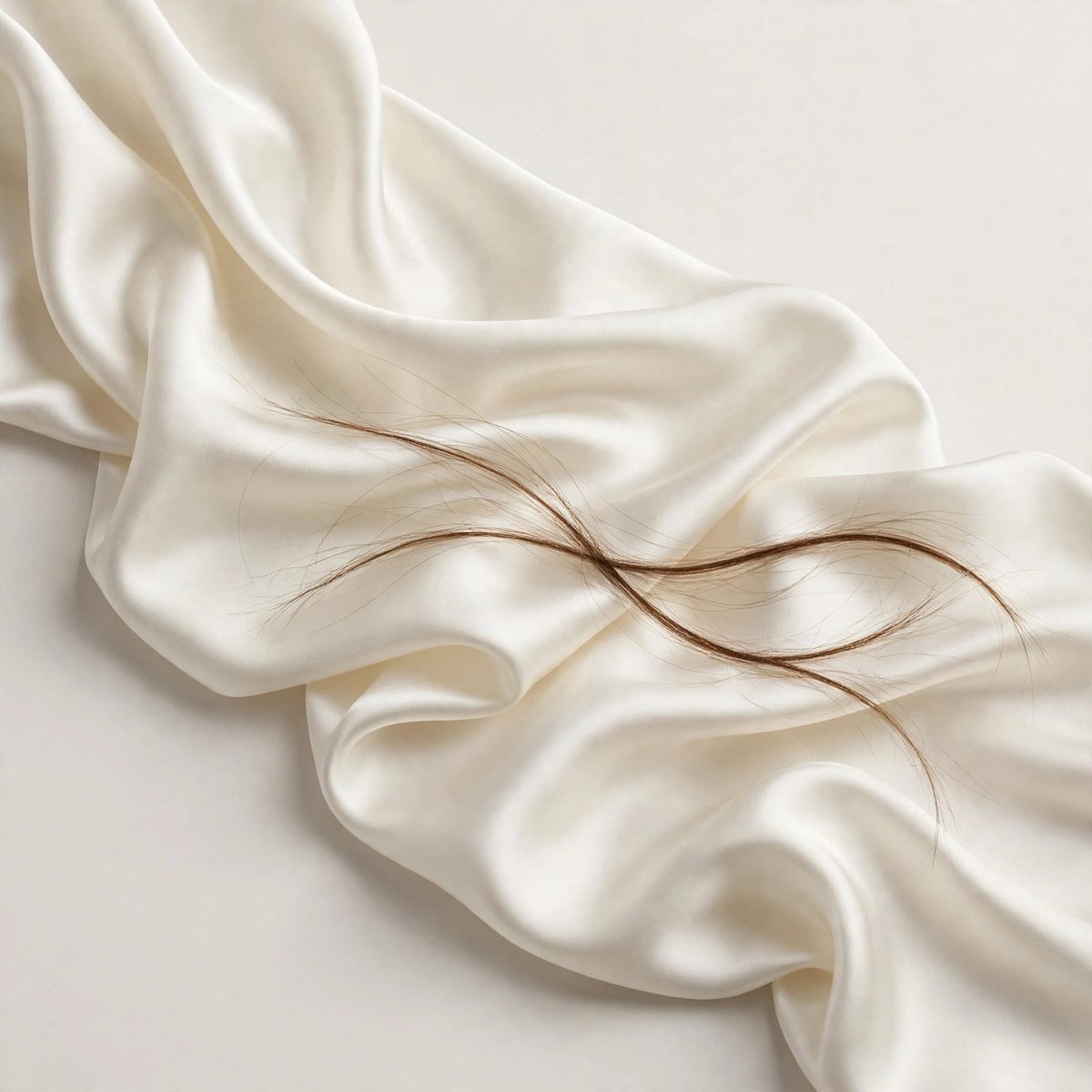
Silk-Look Pillowcases and Hair: What to Know
You spend roughly a third of your life with your head on a pillow, so the fabric your hair rubs against all night genuinely matters. Silk-look pillowcases — smooth, lustrous fabrics that mimic silk's low-friction surface at a friendlier price — have become a staple of nighttime hair routines. This guide explains what they are, how they differ from cotton and from real silk, and how to choose and care for one.
What "Silk-Look" Actually Means
"Silk-look" describes fabrics engineered to feel like silk: smooth, with a subtle sheen and very little surface texture. They're typically made from polyester or polyester-blend satin weaves — the satin weave is what creates the glossy face and the slippery feel. Unlike natural silk, which is a protein fiber produced by silkworms, silk-look fabrics are manufactured, which makes them more affordable, easier to wash, and more consistent from batch to batch.
The key property for hair is the same either way: a smooth, low-friction surface. When hair slides across the pillow instead of catching on it, there's less tangling, less frizz by morning, and less disturbance to styled or set hair. That's the entire mechanism — no magic, just physics.
Silk-Look vs. Cotton Pillowcases
Standard cotton pillowcases — especially lower-thread-count ones — have a textured surface that grips hair. Over eight hours, that grip adds up: friction roughs the hair's surface, encourages tangles, and can flatten or disturb styles you set before bed. Cotton also absorbs moisture readily, which means it can wick away the natural oils and any leave-in products you've applied.
A silk-look pillowcase changes both variables. The smooth surface lets hair glide, so you wake up with less bedhead and fewer tangles. And because the fabric absorbs less, more of your evening products stay where you put them — on your hair — rather than migrating into the pillow. The difference is most noticeable on longer hair, textured hair, and hair that's been styled for the next day.
Silk-Look vs. Real Silk
Real silk has the same low-friction benefits with a slightly different feel — it's a natural fiber, breathable, and temperature-regulating in a way synthetics approximate but don't quite match. The trade-offs are price, care, and durability: real silk costs significantly more, usually requires delicate washing, and wears faster.
Silk-look fabrics close most of the practical gap for hair purposes. The surface smoothness — the property that matters for reducing friction — is very similar. They're machine washable, hold their sheen through many cycles, and cost a fraction of the price. For most people, silk-look is the sensible choice; real silk is a luxury preference, not a functional necessity for hair.
Choosing a Silk-Look Pillowcase
Weave and finish
Look for a true satin weave with a glossy face and a duller back — that's what delivers the smooth surface. Charmeuse-style finishes are the smoothest and drape beautifully; simpler satin weaves are a bit sturdier. Avoid anything described as "satin-feel" printed cotton, which loses its smoothness quickly in the wash.
Closure type
Envelope closures — where the pillow tucks into a fabric flap — keep the case looking neat and prevent the pillow from peeking out. Zipper closures are more secure and keep the pillow fully enclosed, which some people prefer for a cleaner look. Either works; it's a matter of taste. The Rootwise Silk-Look Pillowcase uses an envelope closure with a smooth, lustrous finish.
Size and fit
Match the case to your pillow size — standard, queen, or king. A case that's too loose will bunch and wrinkle, which partly defeats the low-friction purpose; too tight and it's a nightly struggle to fit. If you're between sizes, the smaller option usually behaves better.
Color
Darker colors hide the inevitable marks of nighttime products better, while light colors show wear sooner but look crisp. There's no functional difference — pick what suits your bedding. Ivory and champagne tones are popular because they coordinate easily.
Building a Nighttime Hair Routine Around It
A silk-look pillowcase shines as part of a small system. Before bed, detangle gently and consider a loose protective style — a low loose braid, a high gathered ponytail for curly hair, or simply hair gathered loosely to one side. If you wear a bonnet or sleep cap, the pillowcase is still worthwhile: it protects the hair around your face and neckline that the bonnet doesn't cover, and it catches you on the nights you skip the bonnet.
Pair your pillowcase with a Scalpia Satin Hair Bonnet for full coverage, or a Rootwise Adjustable Satin Sleep Cap if you prefer a drawstring fit. Silk-look scrunchies like the Crownwell Silk-Look Scrunchies, 6 Pack are a gentle way to secure a loose nighttime style without the creasing of regular elastics. Find the whole nighttime lineup in our Silk & Satin Hair Accessories collection.
Travel and Second Sets
Once you're used to a silk-look pillowcase at home, hotel pillows feel noticeably rougher — the cotton cases most hotels use are exactly the high-friction surface you've been avoiding. A spare pillowcase folded into your luggage weighs almost nothing and packs flat, making it one of the highest-value travel items for hair. Silk-look fabrics are ideal for travel because they don't wrinkle badly, wash easily in a hotel sink, and dry overnight on a hanger. Keep a dedicated travel case so you're not stripping your home pillow every trip. The same logic applies to keeping a second case in rotation at home: one on the pillow, one in the wash, so there's never a gap night on rough cotton.
What to Look for When Shopping
Beyond weave, closure, and size, a few details separate a good silk-look pillowcase from a mediocre one. Check the seam quality — flat, even stitching that won't unravel in the wash. Look for a decent fabric weight; very thin satin feels flimsy and wears faster, while a medium weight drapes well and holds up. If the listing mentions a momme weight or thread count, higher generally means denser and more durable, but feel matters more than numbers. And buy from a seller that names the fabric honestly: "satin polyester" or "silk-look" is straightforward; vague "silk" claims on a ten-dollar case are not. Honest labeling is a good sign for the product overall.
Care: Keeping the Smooth Finish
Machine wash on a gentle cycle with mild detergent, ideally inside a laundry bag to prevent snagging. Skip fabric softener — it can leave a residue that dulls the sheen over time. Air dry or tumble on low; high heat is the main enemy of synthetic satin's smooth finish. Wash weekly, just like any pillowcase — a clean surface matters as much as a smooth one.
Replace the case when the glossy face starts to look matte, the fabric pills, or seams fray. A worn satin weave loses the low-friction surface that made it worth buying, so a fresh case every year or so of nightly use is a reasonable cadence.
Setting Honest Expectations
A silk-look pillowcase reduces friction while you sleep — that's real, observable, and the reason they have a loyal following. It won't repair damage, change your hair's texture, or replace the rest of your routine. Think of it as removing a nightly source of wear rather than adding a treatment: a quiet, passive improvement that compounds over months of use. For the price of a takeout dinner, it's one of the lowest-effort upgrades a hair routine can get. And unlike most hair improvements, it asks nothing of you after the first night — you just sleep, and it does its quiet work.