Article
Scalp Exfoliation: What It Is and How to Do It Gently
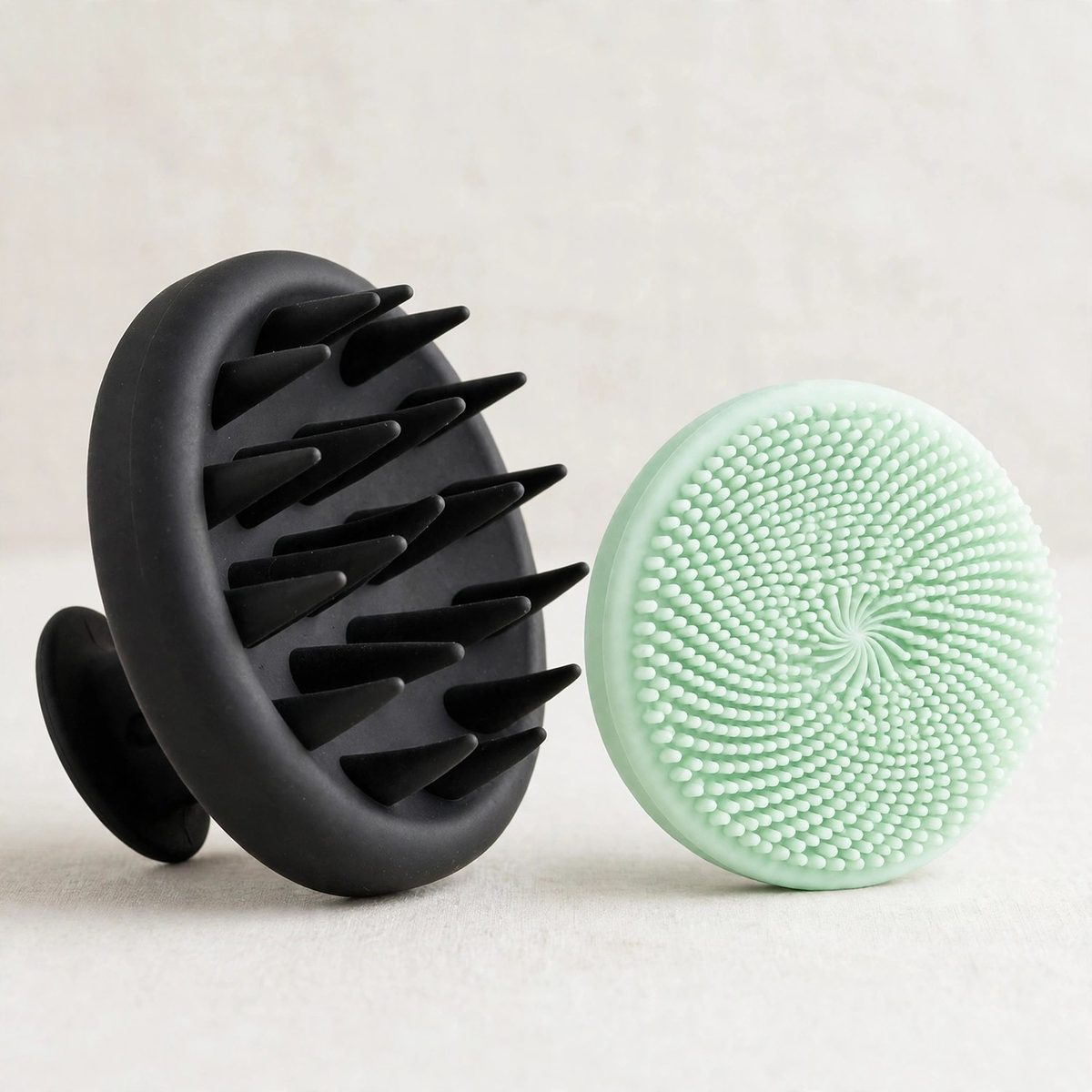
Scalp Exfoliation: What It Is and How to Do It Gently
Exfoliation isn't just for faces. The scalp sheds skin cells and collects styling product, dry shampoo, and everyday buildup just like the rest of your skin — and a gentle exfoliating routine can leave it feeling cleaner and more comfortable. But the scalp is also more sensitive than many people expect, and aggressive scrubbing does more harm than good. This guide explains what scalp exfoliation actually is, how to do it gently, and which tools suit the job.
What Scalp Exfoliation Means
At its simplest, scalp exfoliation is the physical removal of loose, dead skin cells and accumulated residue from the scalp's surface. Normal washing removes a lot, but products designed to stay on the hair — dry shampoo, styling creams, root powders — can build up at the roots over time, and dead skin doesn't always rinse away cleanly on its own. A gentle exfoliating tool adds light mechanical action that helps lift this buildup so your regular shampoo can wash it away.
Think of it as a deeper clean rather than a treatment. We're describing a mechanical process — bristles or textured surfaces moving across the scalp — not a medical intervention. It won't cure dandruff, regrow hair, or fix a medical scalp condition; those need a dermatologist. What it can do is leave your scalp feeling fresher and your roots feeling cleaner between washes.
Signs Your Scalp Might Welcome Exfoliation
Not everyone needs a dedicated exfoliating step. Consider adding one if you notice:
- Roots that feel coated or heavy even right after washing
- Visible flaking that seems tied to product buildup rather than a skin condition
- Styling products that seem to sit on the scalp instead of absorbing
- A scalp that feels itchy or uncomfortable between washes (mild, not severe — persistent problems deserve professional advice)
If your scalp is currently irritated, sunburned, or broken out, skip exfoliation until it calms down. Gentle is the operative word throughout this guide. The same caution applies after chemical services like coloring or relaxing treatments — give the scalp a few days to settle before introducing any mechanical exfoliation. Freshly treated scalps are more reactive, and patience here prevents a week of discomfort.
Choosing an Exfoliating Tool
Exfoliating tools sit on a spectrum from mild to firm. Start mild — you can always work up, but an irritated scalp takes days to settle.
Soft silicone scrubbers
Round silicone scrubber pads with textured nubs are the gentlest entry point. They add mild friction without scratching, and they're easy to clean. The Rootwise Silicone Scrubber Pad is a good first exfoliating tool — soft enough for regular use, simple to rinse.
Exfoliating brushes
A step up in firmness, exfoliating brushes use firmer nubs to provide more thorough mechanical action. The Crownwell Scalp Exfoliating Brush pairs firm silicone nubs with a strap handle for control — effective for lifting stubborn buildup, but suited to once-a-week use rather than daily. The Scalpia Dual-Sided Scalp Brush offers both in one tool: soft bristles on one side for everyday use, firm nubs on the other for exfoliating sessions.
Combs and textured towels
A wide-tooth comb like the Crownwell Bamboo Scalp Comb can provide very light exfoliation as part of detangling — the teeth move across the scalp as you comb through. Textured towels, such as the Rootwise Exfoliating Scalp Towel, add gentle friction during drying. These are the mildest options and suit people who want exfoliation as a background benefit rather than a dedicated step.
See all of these side by side in our Scalp Exfoliating Tools collection.
A Gentle Exfoliating Routine, Step by Step
- Wet hair thoroughly. Exfoliation should always happen on wet hair — dry exfoliation creates unnecessary friction.
- Apply shampoo. Work your regular shampoo into a lather first. The lather is your lubricant; never exfoliate on un-lathered hair.
- Section the scalp. Mentally divide it into front, sides, crown, and back so you cover everything evenly.
- Use light, circular motions. Move the tool in small circles with gentle pressure — let the texture do the work. Spend 15–20 seconds per section.
- Rinse thoroughly. Rinse longer than you think you need to. Leftover loosened residue that isn't rinsed away defeats the purpose.
- Condition as usual. Apply conditioner to the lengths and ends, keeping it off the freshly exfoliated scalp if your scalp tends toward sensitivity.
Exfoliation and Your Shampoo Routine
An exfoliating session fits most naturally into your existing wash routine when nothing else changes — On exfoliation days, the only real change is the tool in your hand during the second lather — everything else stays the same. There's no need for special shampoos or extra products; your regular shampoo plus light mechanical action is the whole formula. One practical tip: on exfoliation day, spend a little longer on the rinse than usual, since you've loosened more residue than a normal wash. And if you use dry shampoo between washes, an exfoliating session on your next wash day is the ideal reset — it clears the accumulated powder and starch so your scalp starts fresh.
It's also worth knowing what exfoliation doesn't replace. It doesn't substitute for regular washing — it's an occasional deeper clean layered on top of your normal routine. And it doesn't change how often you need to wash: if your scalp gets oily quickly, exfoliation won't slow that down. Think of it as maintenance, like deep-cleaning a room you already tidy weekly.
How Often to Exfoliate
For most people, once a week is plenty. If you use a lot of styling product or go several days between washes, twice a week may suit you — but watch for signs of overdoing it: tenderness, redness, or a tight feeling after washing. Those mean back off, not push through. People with sensitive scalps may do better exfoliating every ten days to two weeks with the mildest tool. There is no prize for exfoliating the most; the goal is a comfortable, clean-feeling scalp. And remember that seasons change the equation: scalps that feel fine in summer humidity can turn reactive in dry winter air, so reassess your frequency when the weather shifts rather than sticking rigidly to a schedule.
Common Mistakes to Avoid
- Pressing too hard. The most common error. Light pressure with the right tool beats heavy pressure every time.
- Exfoliating dry. Always wet, always with lather. Dry friction irritates without benefit.
- Using nails. Fingernails scratch and can break the skin. Use pads, tools, or both — never nails.
- Overdoing the frequency. Daily exfoliation with a firm tool is too much for almost everyone.
- Exfoliating an irritated scalp. If your scalp is already unhappy, exfoliation waits. Comfort first.
Aftercare and Tool Cleaning
After exfoliating, rinse your tool immediately — it has just collected everything you lifted off. A weekly soap wash keeps bristles and nubs performing well; a quick shake and air dry after each session keeps moisture from lingering in the base. see our guide to Scalp Care Tool Kits if you want exfoliating and massage tools bundled together for a complete routine. And remember the boundary: gentle mechanical exfoliation is a comfort and cleanliness practice. If flaking, itching, or discomfort persists despite a sensible routine, that's a conversation for a dermatologist, not a shopping cart.